Why the Timing of the 2026 Rules Matters
The regulatory overhaul comes amid a sharp rise in reported complaints of caste-based discrimination in higher education. Official data submitted to Parliament and the Supreme Court shows that such complaints rose by over 118% between 2019–20 and 2023–24.
Supporters argue this reflects growing awareness and reporting, while critics counter that the absolute numbers remain relatively small when measured against the size of India’s higher education system.
What the UGC Says It Is Trying to Fix
According to the UGC, the 2026 regulations align with the National Education Policy (NEP) 2020, which places equity and inclusion at the core of educational governance.
The regulator says the new framework aims to:
- Address caste-based discrimination more comprehensively, including OBCs
- Extend protections to faculty and non-teaching staff
- Shift from symbolic compliance to institutional accountability
- Create faster, time-bound grievance redressal mechanisms
What the 2012 UGC Regulations Looked Like
The 2012 regulations were India’s first formal attempt to create an anti-discrimination structure in higher education institutions.
Who Was Covered
The framework applied broadly to discrimination based on caste, gender, religion, disability, language, ethnicity, and place of birth. In practice, however, enforcement largely focused on Scheduled Caste (SC) and Scheduled Tribe (ST) students.
Institutional Requirements
Colleges and universities were required to appoint an Anti-Discrimination Officer and set up an Equal Opportunity Cell, with complaints handled internally and resolved within 60 days.
Key Gaps in the 2012 Framework
- No definition of false or malicious complaints
- No penalties for proven misuse
- No independent or external oversight
- Heavy reliance on internal institutional discretion
What Changed in the 2026 UGC Regulations
While the prohibition against discrimination remains unchanged, the 2026 rules dramatically expand coverage and enforcement.
The Explicit Inclusion of OBCs
One of the most consequential changes is the formal inclusion of Other Backward Classes (OBCs) within caste-based discrimination protections.
This is significant because OBC students form the largest share of India’s higher education population. According to AISHE 2021–22 data, SC, ST, and OBC students together account for over 60% of enrolment.
Critics argue this dramatically enlarges the scope of complaints, while supporters see it as aligning policy with demographic reality.
Beyond Caste: Broader Equity Coverage
The 2026 regulations strengthen protections for gender minorities, persons with disabilities, faculty members, non-teaching staff, and online or distance learners.
This broader framing suggests that caste is only one part of a larger equity agenda, though it remains the most visible and contested element.
Enforcement: From a Single Officer to a Full System
The most dramatic shift lies in enforcement architecture.
Under the new rules, institutions must establish:
- An Equal Opportunity Centre (EOC)
- A multi-member Equity Committee chaired by the institution head
- Mandatory representation of SCs, STs, OBCs, women, and persons with disabilities
- Equity Squads to monitor vulnerable campus spaces
- Equity Ambassadors across departments and hostels
- A 24x7 equity helpline and online complaint portal
Complaints must be reviewed within 24 hours, investigated within 15 working days, and acted upon within seven days. Appeals can be taken to an Ombudsperson.
Why the Debate Has Turned So Heated
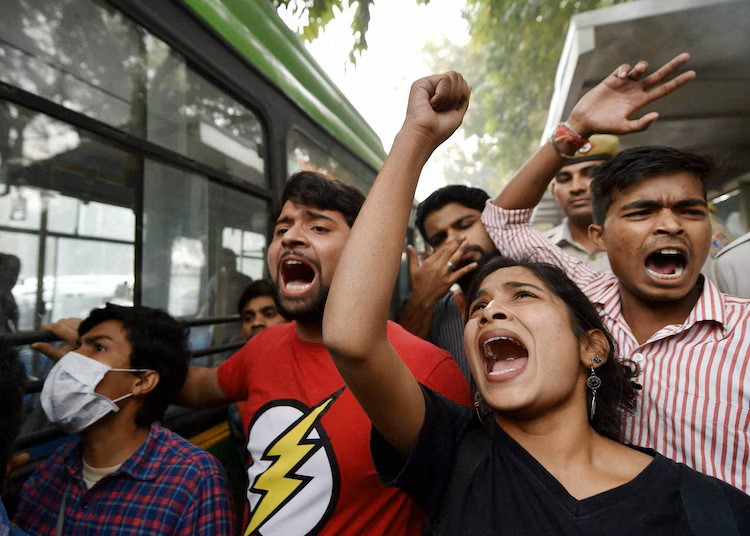
Critics fear misuse, false complaints, and an atmosphere of fear on campuses. Supporters argue that without strong enforcement, equity rules remain meaningless.
Ultimately, the controversy reflects discomfort not just with new protections, but with their scale, speed, and enforceability.
The Larger Question
The 2026 UGC equity regulations mark a decisive shift from advisory guidelines to a compliance-driven governance model.
Whether this produces safer, fairer campuses or unintended consequences will depend less on the text of the rules and more on how institutions implement them.