
Global Study Finds Seven Million Cancer Cases a Year Could Be Prevented
A major international analysis has revealed that millions of cancer cases worldwide could be avoided annually through prevention-focused health policies and lifestyle changes. Scientists associated with the World Health Organization say that a significant share of cancers arise from factors that societies already know how to reduce.
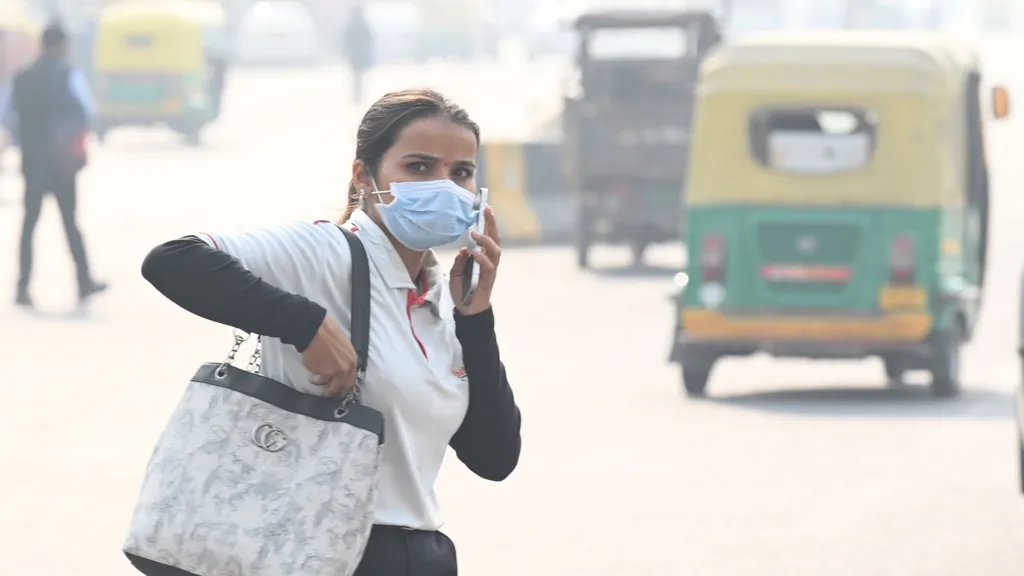
The research estimates that roughly 37 percent of all cancers globally are linked to avoidable exposures such as tobacco use, alcohol consumption, infectious diseases, obesity, physical inactivity and environmental pollution.
What Makes These Cancers Preventable?
The investigators examined thirty risk factors known to elevate cancer risk, ranging from smoking and ultraviolet radiation to air pollution and unhealthy diets. Several infections—including those responsible for cervical, liver and stomach cancers—were also assessed.
Vaccination programmes, particularly those targeting human papillomavirus, were highlighted as powerful tools to cut future cancer cases, alongside tobacco-control laws and cleaner air policies.
Largest Contributors Identified
Among the more than 18 million cancer diagnoses studied worldwide, three major drivers accounted for a substantial portion of preventable cases:
- Tobacco use linked to millions of cancers
- Infections responsible for several million cases
- Alcohol consumption associated with hundreds of thousands
Lung, stomach and cervical cancers together represented nearly half of all cases considered preventable in the analysis.
Regional and Gender Differences
The study found that cancer risk patterns vary widely between countries and populations. Men, on average, had a higher proportion of preventable cancers than women, largely reflecting higher smoking rates.
In Europe, smoking remains the leading avoidable cause among women, followed by infections and obesity. In parts of sub-Saharan Africa, however, infection-related cancers dominate, making up the vast majority of preventable cases.
Researchers stressed that prevention strategies must be tailored to regional realities rather than relying on one-size-fits-all solutions.
A Call for Targeted Action
The analysis was carried out by the International Agency for Research on Cancer using historical risk-factor data and cancer registries from 185 countries. Its authors described the findings as a clear signal that large-scale health gains are achievable.
The study’s authors emphasised that although some cancers cannot be avoided—because of ageing or inherited genetic risk—public policy and personal choices could drastically reduce the global burden of disease.
Hope From Existing Policies
Public-health leaders noted that countries which have already strengthened smoking bans or introduced HPV vaccination programmes have demonstrated that prevention works.
They added that continued investment in clean environments, physical activity promotion and infection control could push the proportion of preventable cancers even lower in the coming decades.