Cardiologists Raise Concerns Over Calls to Increase Fat Intake
Heart disease remains the world’s leading cause of death, and medical experts continue to point to smoking, inactivity, high blood pressure, diabetes and poor dietary habits as major contributors. Against this backdrop, some cardiologists are voicing alarm over new dietary trends that appear to encourage higher consumption of saturated fats and meat-heavy protein sources.
While updated nutrition guidelines have drawn praise for limiting ultra-processed foods and added sugars, critics say placing red meat and other saturated-fat-rich foods prominently alongside fruits and vegetables sends the wrong public-health message.
Why Saturated Fat Is Under Scrutiny
Heart specialists emphasize that decades of research link high saturated-fat intake to increased risk of cardiovascular disease. Clinical trials have repeatedly shown that replacing these fats with polyunsaturated and monounsaturated alternatives — such as those found in nuts, seeds, olive oil and fish — can significantly lower heart-related events.
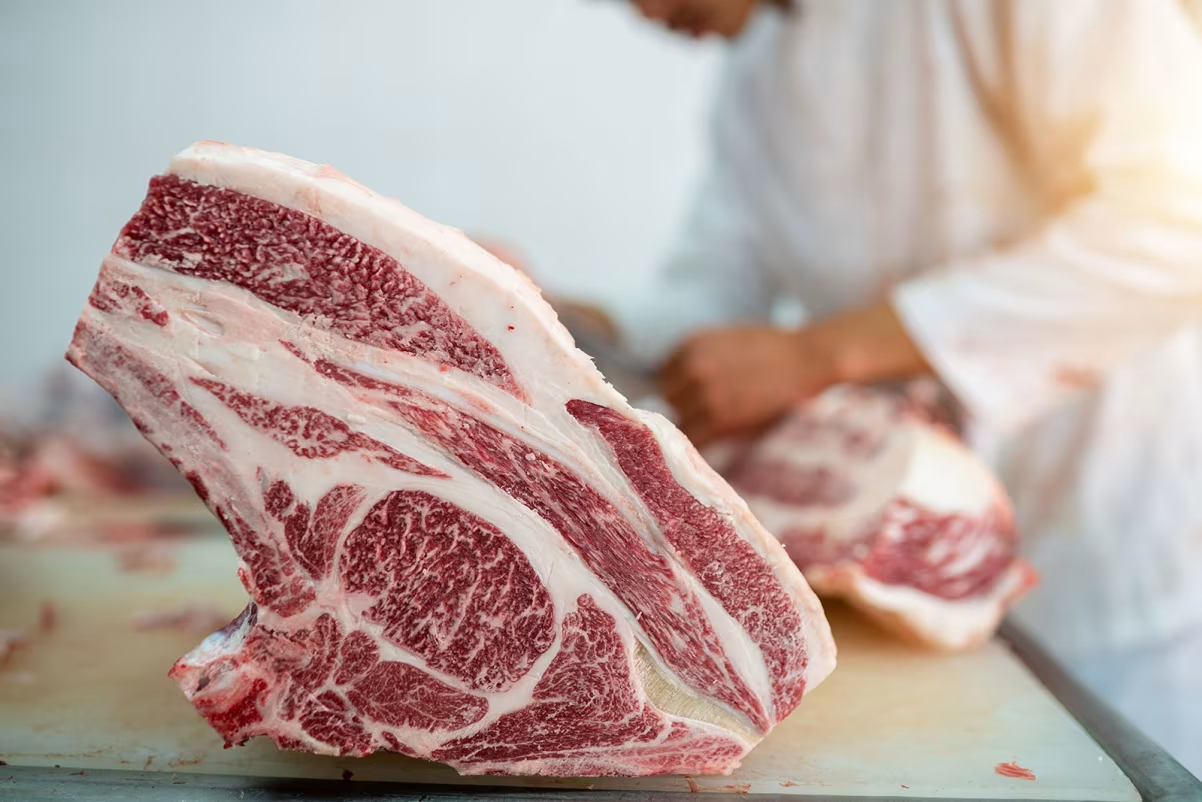
Doctors worry that social-media buzz around butter, beef tallow and fatty cuts of meat could encourage overconsumption, especially when many people already struggle to meet recommended limits for unhealthy fats.
The Numbers Add Up Quickly
Nutrition researchers point out that even moderate portions of full-fat dairy products can bring people close to their daily saturated-fat ceilings. Add common cooking fats or restaurant meals, and those thresholds can be exceeded rapidly — increasing long-term cardiovascular risk.
Trans fats, whether industrially produced or naturally occurring in some animal products, are viewed with particular concern. These fats are associated with inflammation and artery hardening, which can set the stage for heart attacks and strokes.
Longstanding Dietary Evidence
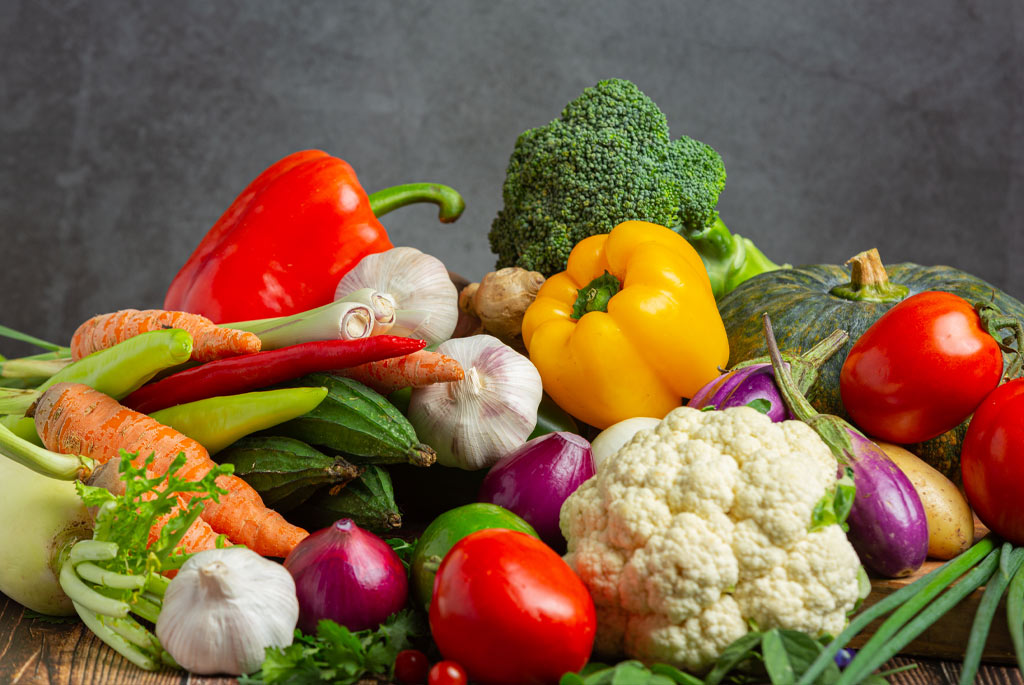
Medical organizations have warned about excessive saturated fat for more than half a century, urging a shift toward plant-forward eating patterns. Diets such as the Mediterranean approach — rich in fruits, vegetables, whole grains, legumes and olive oil — have been linked to lower rates of heart disease, diabetes, memory decline and even certain cancers.
These patterns still allow fats, but prioritize healthier sources rather than animal-derived saturated varieties.
Do People Really Need More Protein?
Some policy makers argue that Americans, especially children, require much higher protein intake. However, cardiologists counter that most people already exceed basic protein needs and that excessive consumption can strain kidneys and may raise other health risks.
Experts stress that the real challenge lies not in adding more protein-heavy foods, but in improving overall diet quality — reducing refined carbohydrates and processed foods while emphasizing plant-based nutrients and heart-friendly fats.
Finding a Balanced Path Forward
Doctors caution against viewing any single nutrient as a cure-all. Instead, they advocate for balanced meals, regular physical activity and long-term dietary patterns supported by robust scientific evidence.
As debates over nutrition guidance continue, cardiologists say one message remains consistent: limiting saturated fat, choosing healthier oils and focusing on whole foods remain among the most reliable ways to protect heart health.