
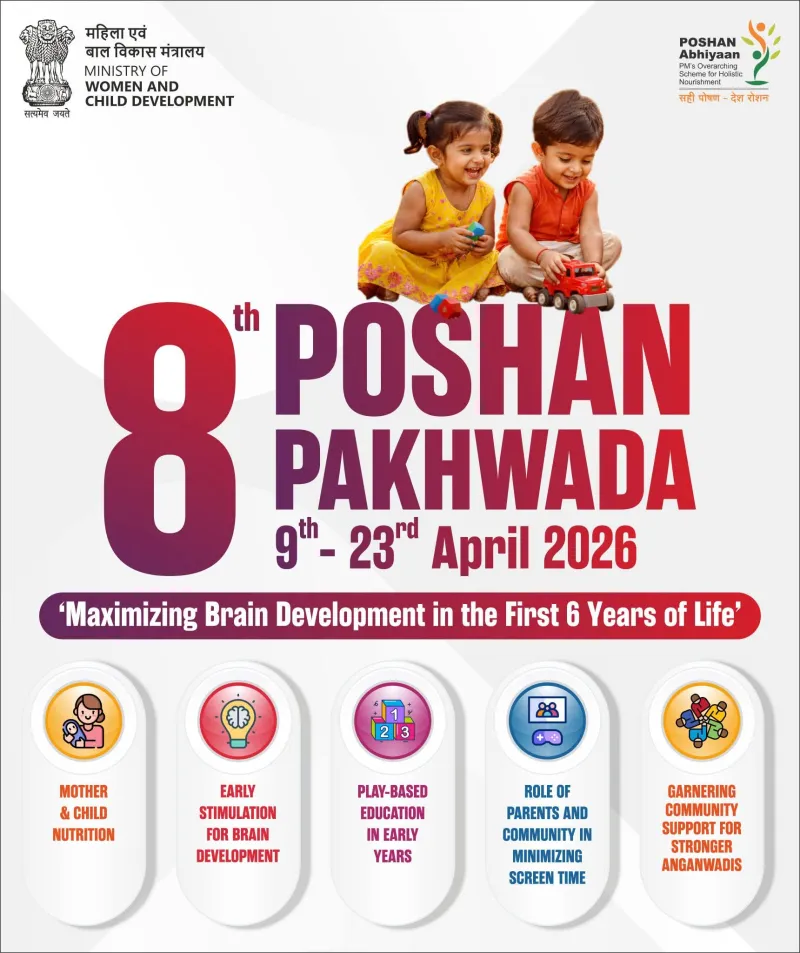
Understanding 'Poshan Pakhwada': A Commitment to Nutrition
The Indian government is gearing up for the 8th edition of 'Poshan Pakhwada', a vital initiative aimed at enhancing nutritional outcomes across the nation. Scheduled for 2026, this campaign will focus on the crucial aspect of early brain development, emphasizing the importance of nutrition in the formative years of children. As India continues to grapple with malnutrition and stunted growth among its younger population, 'Poshan Pakhwada' emerges as a beacon of hope, aiming to address these pressing issues.
The Significance of Early Brain Development
Early brain development is a critical factor in a child's overall growth and development. Research indicates that the first few years of life are foundational for cognitive, emotional, and social development. Proper nutrition during this period can significantly influence a child's ability to learn, adapt, and thrive in their environment. The 'Poshan Pakhwada 2026' initiative aims to raise awareness about the importance of nutrition in early childhood, targeting parents, educators, and healthcare providers.
Key Objectives of 'Poshan Pakhwada 2026'
- Awareness Campaigns: The initiative will include extensive awareness campaigns to educate parents and caregivers about the nutritional needs of children.
- Community Engagement: Local communities will be mobilized to participate in activities that promote healthy eating habits and nutritional education.
- Collaboration with Schools: Schools will play a pivotal role in disseminating information about nutrition and its impact on brain development.
- Focus on Vulnerable Populations: Special emphasis will be placed on reaching out to marginalized communities that are often at higher risk of malnutrition.
Addressing Malnutrition in India
India faces a significant challenge with malnutrition, which affects millions of children across the country. According to the National Family Health Survey, a substantial percentage of children under five years old are stunted, wasted, or underweight. The consequences of malnutrition extend beyond physical health, impacting cognitive development and educational outcomes. 'Poshan Pakhwada 2026' aims to combat these issues through targeted nutritional interventions.
Statistics on Child Malnutrition in India
- Stunting: Approximately 34% of children under five are stunted, indicating chronic malnutrition.
- Wasting: Around 17% of children are wasted, reflecting acute malnutrition.
- Underweight: Nearly 30% of children are underweight, which can lead to long-term health issues.
Strategies for Effective Implementation
To ensure the success of 'Poshan Pakhwada 2026', the government will adopt a multi-faceted approach that includes collaboration with various stakeholders. This will involve partnerships with non-governmental organizations (NGOs), health professionals, and educational institutions to create a comprehensive framework for nutritional education and support.
Collaboration with Key Stakeholders
- Government Agencies: Various ministries will work together to align their efforts towards improving nutritional outcomes.
- Healthcare Providers: Training programs for healthcare workers will be implemented to enhance their ability to provide nutritional guidance.
- NGOs and Community Organizations: Collaborations with NGOs will help in reaching out to underserved communities.
Community Engagement and Participation
One of the cornerstones of 'Poshan Pakhwada 2026' will be community engagement. By involving local communities in the planning and execution of nutritional programs, the initiative aims to foster a sense of ownership and responsibility among parents and caregivers.
Activities to Promote Community Involvement
- Workshops: Organizing workshops to educate families about healthy cooking and nutrition.
- Nutrition Fairs: Hosting fairs to showcase local food sources and promote healthy eating.
- School Programs: Implementing school-based programs that encourage children to learn about nutrition and healthy habits.
The Role of Technology in Nutrition Awareness
In today's digital age, technology can play a significant role in disseminating information about nutrition. 'Poshan Pakhwada 2026' will leverage digital platforms to reach a wider audience, especially the youth and tech-savvy parents.
Digital Initiatives for Nutrition Education
- Mobile Applications: Development of apps that provide nutritional information and meal planning tips.
- Social Media Campaigns: Utilizing social media to share success stories and nutritional advice.
- Online Webinars: Conducting webinars featuring nutrition experts to address common concerns and questions.
Conclusion: A Step Towards a Healthier Future
The 'Poshan Pakhwada 2026' initiative represents a significant step towards improving the nutritional landscape in India. By focusing on early brain development and mobilizing communities, the government aims to create a healthier future for the nation's children. As the campaign unfolds, it will be crucial for all stakeholders to collaborate effectively to ensure that the goals of 'Poshan Pakhwada' are met, ultimately leading to a reduction in malnutrition and an enhancement in the overall well-being of children across the country.