Sedentary Living Poses a Growing Health Risk
Sedentary behavior has become a global public health concern. In 2022, more than one-third of adults worldwide failed to meet recommended physical activity levels, with many spending eight or more hours each day sitting.
Activities such as desk work, prolonged driving, and excessive screen time are associated with elevated fasting insulin, unhealthy lipid profiles, and impaired endothelial function. Research has linked prolonged sitting to a significantly increased risk of cardiovascular disease and premature mortality.
What Poor Vascular Function Looks Like
Vascular dysfunction typically involves reduced elasticity of blood vessels and damage to the endothelium, the inner lining of arteries. Medical imaging often reveals reduced flow-mediated dilation (FMD), increased pulse wave velocity (PWV), and abnormal carotid intima-media thickness (cIMT).
These changes raise the likelihood of developing hypertension, atherosclerosis, and other cardiovascular conditions.
Yoga and Exercise: What the Review Examined
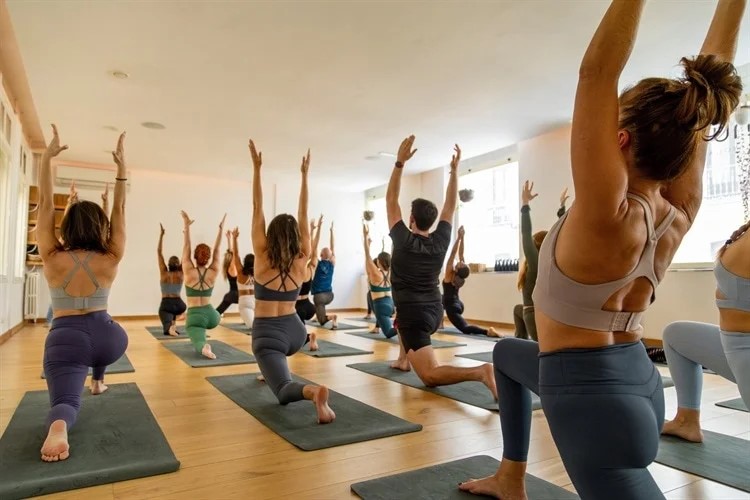
The systematic review analyzed ten studies that assessed the effects of yoga and conventional exercise on vascular function in sedentary adults. Five studies focused on yoga, while five examined various forms of exercise.
Yoga programs typically lasted eight to twelve weeks, with two to three sessions per week. Exercise interventions included activities such as tai chi, reformer Pilates, high-intensity interval training (HIIT), and structured breaks from prolonged sitting.
Mixed Results From Yoga-Based Interventions
Yoga demonstrated some benefits, particularly among older adults. Several studies reported modest improvements in endothelial function, likely linked to controlled breathing, relaxation, and improved autonomic regulation.
However, yoga did not consistently reduce arterial stiffness, a key marker of long-term vascular health. This finding aligns with earlier research suggesting that yoga alone may not provide sufficient stimulus to significantly alter arterial structure.
Exercise Shows Stronger and More Consistent Benefits
Conventional exercise produced clearer improvements in vascular function across most studies. Increased FMD was observed following tai chi and reformer Pilates, while HIIT led to notable reductions in arterial stiffness.
These effects are largely attributed to increased shear stress caused by elevated blood flow during exercise. Shear stress stimulates nitric oxide production, promoting vasodilation, lowering blood pressure, reducing inflammation, and limiting clot formation.
Why Intensity and Duration Matter
Short or low-intensity activity, such as brief standing breaks during long sitting periods, showed minimal benefit for vascular health. The findings suggest that there is a threshold of intensity and duration required to trigger meaningful cardiovascular adaptations.
Older and middle-aged adults experienced greater improvements than younger participants, likely due to higher baseline cardiovascular risk.
Limitations and Future Research Needs
The studies included in the review involved small sample sizes and varied protocols, limiting the ability to generalize results. Researchers emphasize the need for larger, standardized trials to better understand the long-term effects of both yoga and exercise.
Future research should also evaluate cost-effectiveness, accessibility, and long-term adherence, especially among populations with limited mobility or health constraints.
Conclusion: Exercise Leads, Yoga Complements
Overall, conventional exercise appears more effective than yoga in improving vascular health among sedentary individuals. While yoga offers valuable benefits, particularly for older adults or those unable to engage in high-intensity workouts, it does not consistently reduce arterial stiffness.
Experts suggest that combining both approaches—tailored to age, fitness level, and baseline vascular health—may provide the most comprehensive cardiovascular benefits.