Why Metabolism Slows Down in Winter
Metabolism is the process through which the body converts food into usable energy. During winter, it may slow slightly due to:
- Reduced physical activity
- Limited sunlight affecting vitamin D and serotonin levels
- Increased cravings for heavy, calorie-dense foods
- Slower digestion from irregular or rich meals
Instead of forcing fat loss, winter nutrition should focus on digestion, hormonal balance, and sustained energy.
Top 7 Winter Foods for Metabolism Support
1. Seasonal Root Vegetables
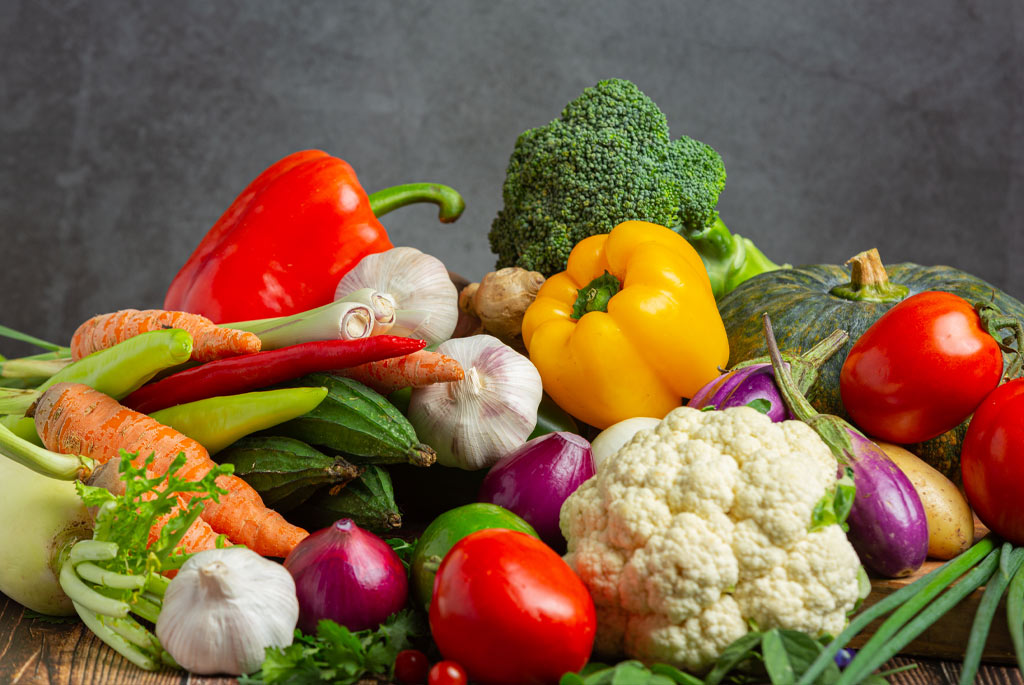
Root vegetables grow underground and are naturally warming and nutrient-dense. Options such as carrots, beets, sweet potatoes, turnips, and radishes provide complex carbohydrates and fiber that support digestion and stable energy release.
Best way to eat: Roast, sauté lightly, or add to soups and curries. Avoid deep-frying to preserve their metabolic benefits.
2. Whole Grains
Refined carbs may feel comforting but can cause energy crashes. Whole grains like oats, brown rice, whole wheat, and millets such as bajra, jowar, and ragi digest slowly and provide warmth during colder months.
They supply fiber for gut health, B vitamins for energy metabolism, and help you feel full for longer periods.
3. Healthy Fats
Healthy fats are essential for hormone balance and nutrient absorption, especially in winter. Foods rich in omega-3 fatty acids like walnuts, flaxseeds, chia seeds, pumpkin seeds, and mustard oil support inflammation control and metabolic health.
Rather than avoiding fats, focus on quality sources and moderate portions.
4. Protein-Rich Foods
Protein digestion requires more energy than carbohydrates or fats, a process known as diet-induced thermogenesis. Including adequate protein can slightly increase calorie burn while improving satiety.
Good winter protein sources include lentils, chickpeas, paneer, eggs, fish, or lean meats.
Tip: Choose warm protein-based meals like soups, stews, and curries for easier digestion.
5. Seasonal Fruits
Fruits are often avoided in winter, but seasonal options like guava, apples, papaya, and oranges provide fiber, vitamin C, and antioxidants that support immunity and metabolism.
Winter-friendly habit: Eat fruits during the day and allow them to reach room temperature before consuming.
6. Indian Spices
Common Indian spices such as ginger, black pepper, cinnamon, cumin, and turmeric support digestion, circulation, and internal warmth. While they do not directly burn fat, they help metabolic processes function efficiently.
Easy addition: Add ginger to tea, sprinkle cinnamon on oats, or use cumin-based tempering regularly.
7. Warm Fluids
Hydration is often neglected in winter, yet it plays a crucial role in metabolic reactions. Warm water, herbal teas, vegetable soups, or light broths help digestion, prevent constipation, and maintain energy levels.
Final Thoughts
Winter nutrition does not require extreme dieting or calorie restriction. By choosing warming, fiber-rich, protein-balanced foods and staying hydrated, you can naturally support your metabolism while feeling comfortable and energized throughout the season.